Article to Understand Particulate Sensors: The “Environmental Sentinel” for Diesel Vehicle Aftertreatment (Including Market Size + Trends)
Many truck drivers and auto repair peers deal with National VI emissions standards, DPFs, and aftertreatment systems every day, but they may not really understand particulate sensors (PN/PM sensors). Although small in size, they are the key to meeting exhaust emission standards and the “trigger” for OBD alarms. Today, we will clearly explain their principle, function, market and development trends in one go.
I. What is it used for?
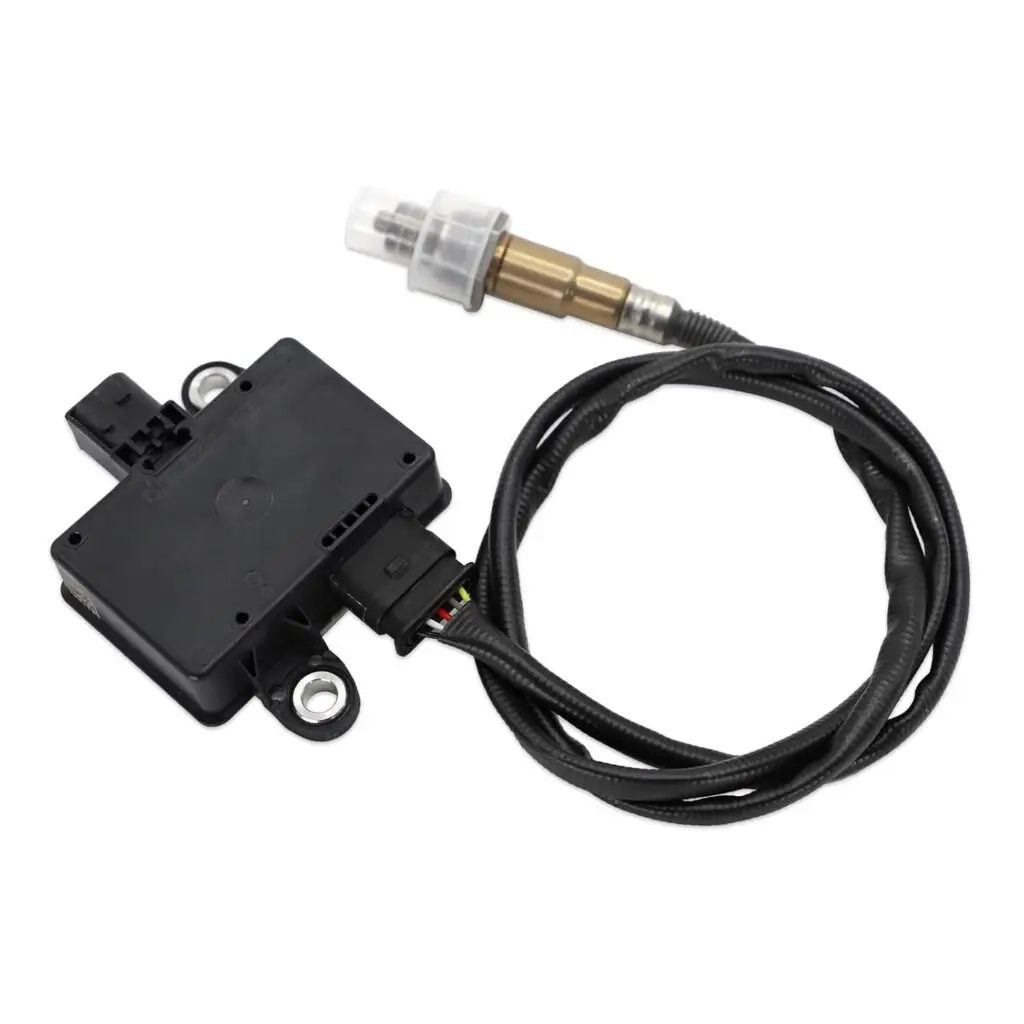
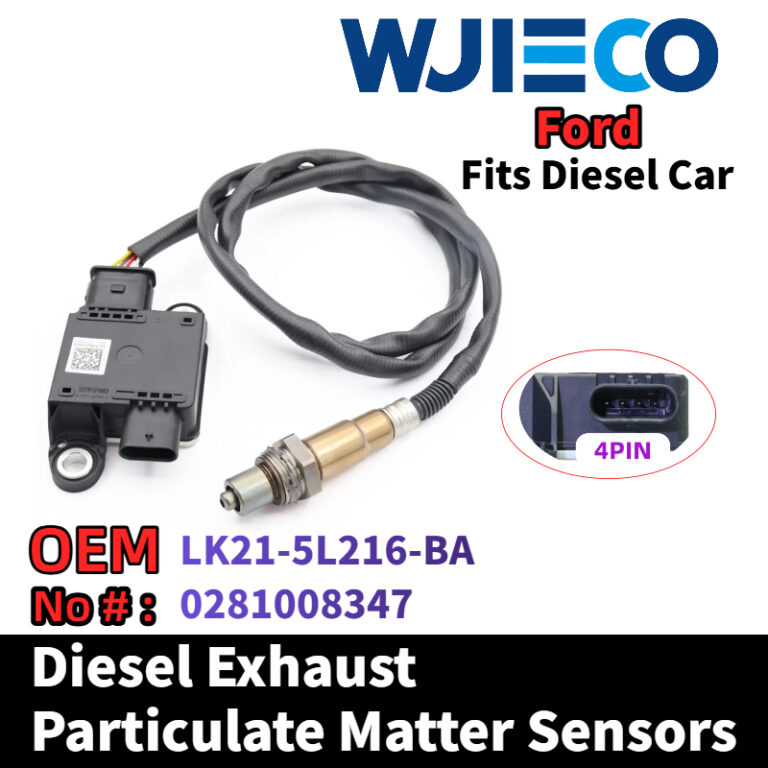
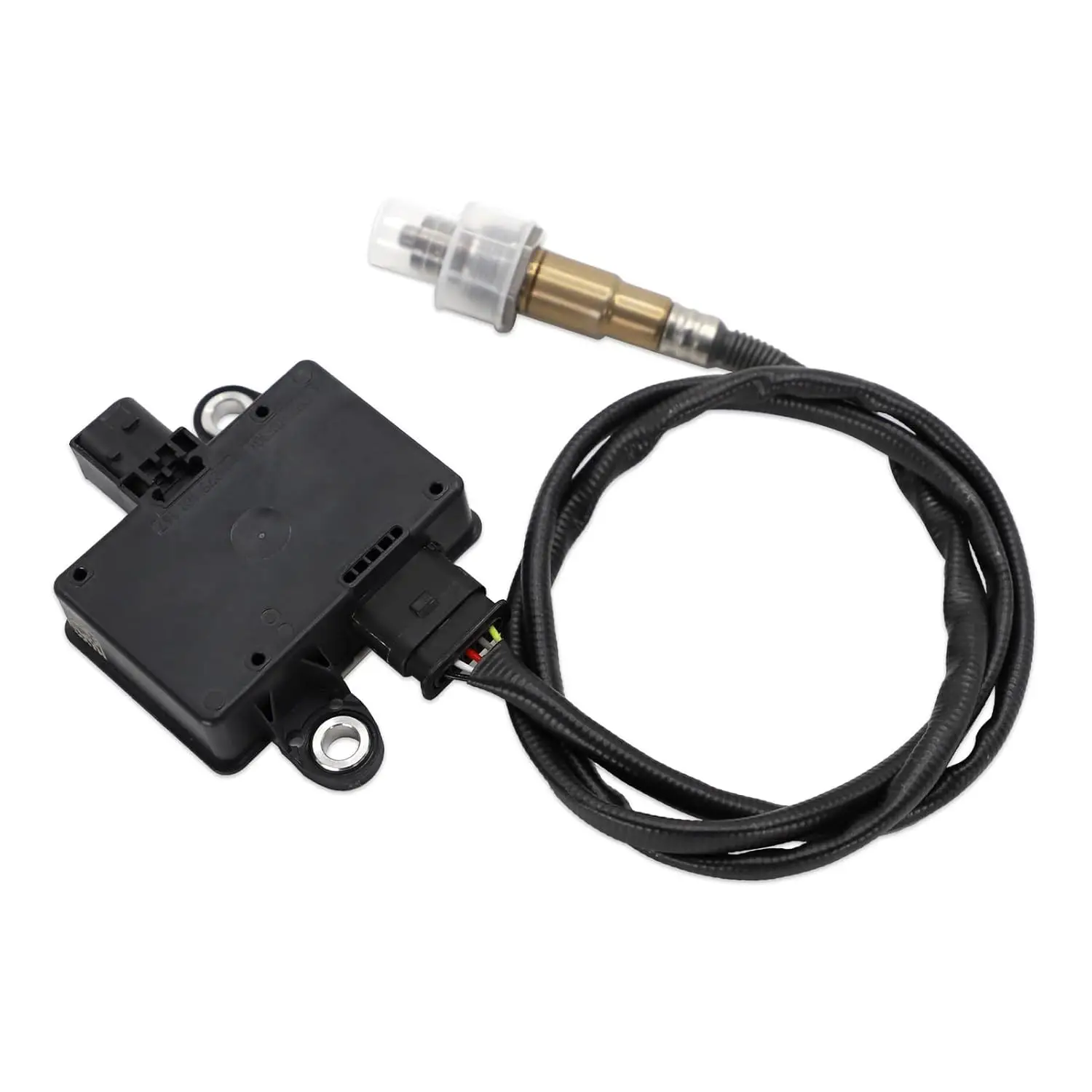
Particulate sensors are core monitoring components for the aftertreatment systems of National VI / Euro VI diesel vehicles. They are specially designed to real-time detect the number (PN) or mass (PM) of particulate matter in exhaust gas, equivalent to a “quality inspector” installed on the exhaust pipe.
II. Working Principle (Popular Version)
There is a pair of precision electrodes inside the sensor. When exhaust gas flows through the cavity, soot particles will gradually attach to the surface of the electrodes — the more particles there are, the greater the change in resistance/current.
The ECU (Electronic Control Unit) can calculate the concentration of particulate matter in the exhaust gas by capturing this electrical signal, and judge whether the emissions are up to standard and whether the DPF is working normally.
III. Core Functions (Three “Life-Saving” Functions)
1. Monitoring DPF Status: Real-time monitoring of the filtering effect of the Diesel Particulate Filter (DPF), and immediate notification if it is blocked or fails;
2. Over-standard Alarm + Torque Limitation: Once the particulate matter exceeds the standard or the sensor is abnormal, it will directly turn on the fault light and limit torque and speed to prevent being fined when driving on the road;
3. Assisting DPF Regeneration: Providing data to the ECU to determine when active regeneration is needed, avoiding DPF burnout or frequent failures.
IV. Market Size: Driven by National VI Emissions Standards and Environmental Protection, Continuous Expansion
Only data related to automobiles/diesel vehicles (closer to our industry) are provided:
China’s automotive particulate sensors (including DPF sensors):
About 1.87 billion yuan in 2024; about 2.7–3 billion yuan in 2025, with a year-on-year growth of 15%–20%;
Global automotive particulate sensors:
About 238 million US dollars in 2025; expected to reach 287 million US dollars by 2032;
The full implementation of National VI emissions standards and the pre-research of National VII have made the sensor installation rate close to 100%, and commercial vehicles, construction machinery, and diesel light trucks are all in rigid demand.
If environmental monitoring, smart home, and industrial dust are included:
In 2025, the overall market size of China’s particulate sensors is about 2.73 billion yuan, and the global market is about 8.43 billion yuan, with a compound annual growth rate of about 12%–13% in the next few years.
V. Future Development Trends (Summary in One Sentence: More Accurate, More Stable, More Intelligent)
1. Tougher Regulations: National VII and Euro VII are on the way, requiring higher accuracy for PN/PM detection, and low-end sensors will be eliminated;
2. Technological Upgrade: From traditional resistive type to high-precision, carbon deposition resistant, and long-life direction, with faster response and fewer false alarms;
3. Accelerated Localization Replacement: In the past, the high-end market was basically monopolized by Bosch, NGK, and Hitachi. Now, domestic sensors have greatly improved in accuracy and reliability, with more advantageous prices, and their market share is rising rapidly;
4. Application Expansion: In addition to diesel vehicles, hybrid vehicles, construction machinery, ships, and generator sets are all being forced to install them, making the market scale larger and larger.
VI. Practical Reminders for Truck Drivers / Repair Shops
1. Refuel with regular diesel + qualified urea to reduce carbon deposition and poisoning of the sensor probe;
2. Avoid long-term short-distance and low-speed driving, and give the DPF and sensor sufficient opportunities for regeneration/self-cleaning;
3. Check the sensor plug, circuit, and carbon deposition by the way during maintenance. Deal with small problems early to avoid torque limitation on the way and failure to pass the annual inspection.
|(注:文档部分内容可能由 AI 生成)