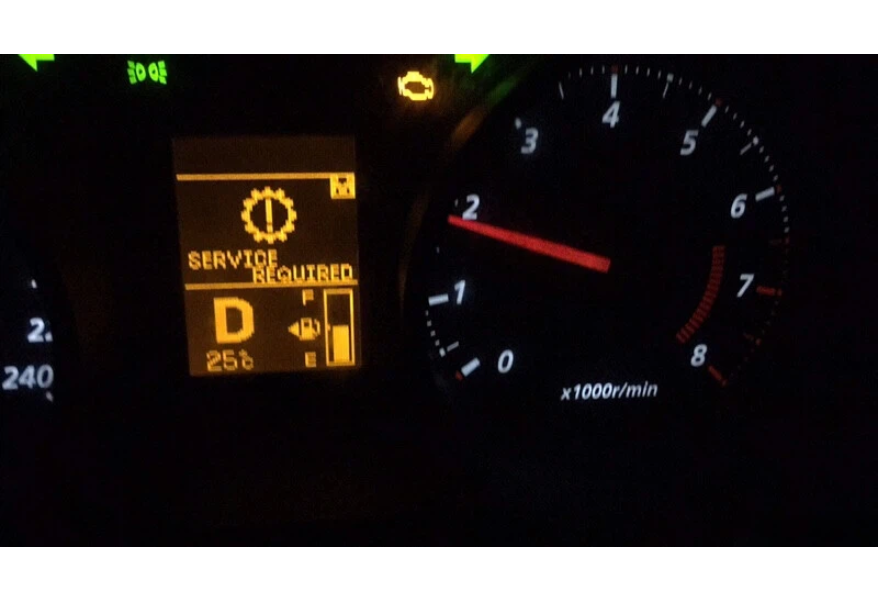
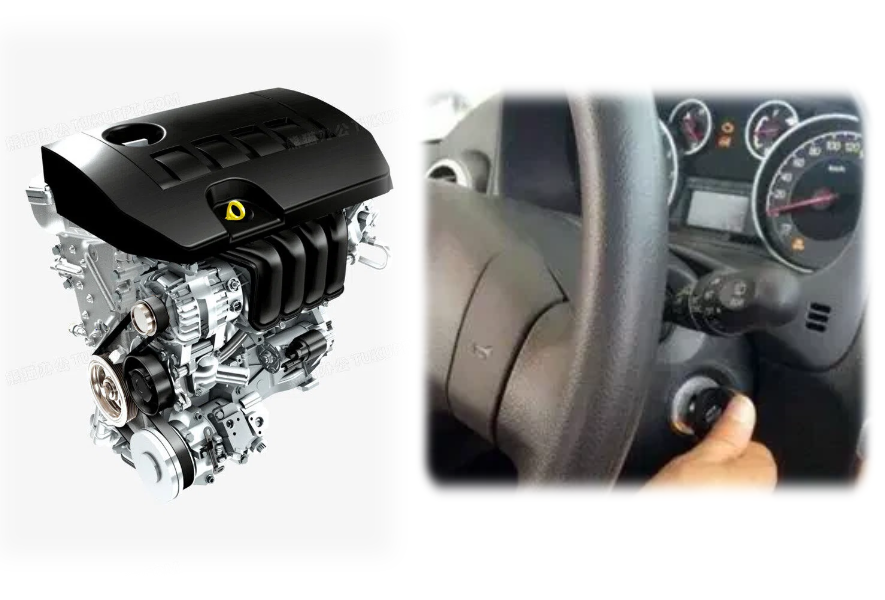
The car engine has difficulty igniting
In March 2023, in Arizona, Paul’s truck failed to start consecutively
1: Low temperature environment: In cold weather, the engine cylinder temperature is low, leading to poor fuel atomization, which prevents the mixture from igniting fully. The engine oil becomes viscous at low temperatures, increasing the resistance to engine operation and making starting difficult.
2: Spark plug failure: The spark plug is responsible for igniting the mixed gas in the cylinder. With increased usage time, the electrode gap of the spark plug may increase, leading to a decrease in ignition ability. Check the wear condition of the spark plug and replace it if necessary.
3: Battery depletion: The battery provides power for engine start-up. Prolonged non-use or failure to turn off electrical appliances may lead to insufficient battery power. Check the battery level and use emergency power or jump-start if necessary.
- Fuel system issues: A faulty fuel pump or blocked fuel line can lead to insufficient fuel supply, affecting engine start-up. Regularly check the fuel system to ensure that the fuel pump and filter are functioning properly.
5: Sensor malfunction: Oxygen sensors and water temperature sensors play a crucial role during startup. Malfunctions can lead to incorrect mixture concentration, affecting ignition performance.
6: Carbon buildup issue: After prolonged use, engines tend to accumulate carbon deposits in areas such as the throttle valve and fuel injectors, which can affect air intake and fuel injection efficiency, leading to difficulties in starting. Regular cleaning of carbon deposits can mitigate this issue.
1: Check the battery: Ensure that the battery is fully charged, and recharge or replace it if necessary.
2: Replacing spark plugs: Regularly check the spark plugs for carbon buildup and wear. If the condition is severe, replace them promptly. Typically, they should be replaced every 20,000 to 30,000 kilometers.
3: Cleaning the fuel system: Regularly clean the fuel injector and fuel passage to ensure normal fuel supply.
4: Check sensors: Regularly check the oxygen sensor and water temperature sensor to ensure they are functioning properly.
5: Use suitable engine oil: In cold weather, using winter-specific engine oil can reduce engine oil viscosity and decrease engine operating resistance.
6: Regular maintenance: Regularly perform vehicle maintenance, check the working status of various systems, and promptly identify and resolve potential issues.
Conclusion:
The end customer conducted an inspection according to the solution plan and found severe carbon buildup on the spark plug. After replacing the spark plug component, the vehicle returned to normal
Particle sensor malfunction
The particulate matter sensor of the Range Rover’s exhaust system reports a fault code
1: PM sensor fault
2: PM sensor heating element damaged or short-circuited
3: Circuit issues in the PM sensor heating circuit (open circuit, short circuit, or corrosion)
4: The fuse for the heating power supply of the PM sensor is burnt out
5: ECM fault
- Check the wiring and connectors of the PM sensor heating circuit for damage, loose connections, or corrosion. Repair as necessary.
- Use an ohmmeter to test the resistance of the PM sensor heating element. If the resistance is not within the specified range, replace the sensor
- Check the heating power supply circuit and grounding circuit for open or short circuit issues. If there is a fault, repair the circuit.
- Confirm whether the ECM is providing the correct voltage to the PM sensor heater. If the ECM is faulty, it needs to be replaced.
- Conduct a road test to verify the repair effectiveness and clear the fault code.
Conclusion:
After the end customer replaced the particulate matter sensor component, the vehicle returned to normal
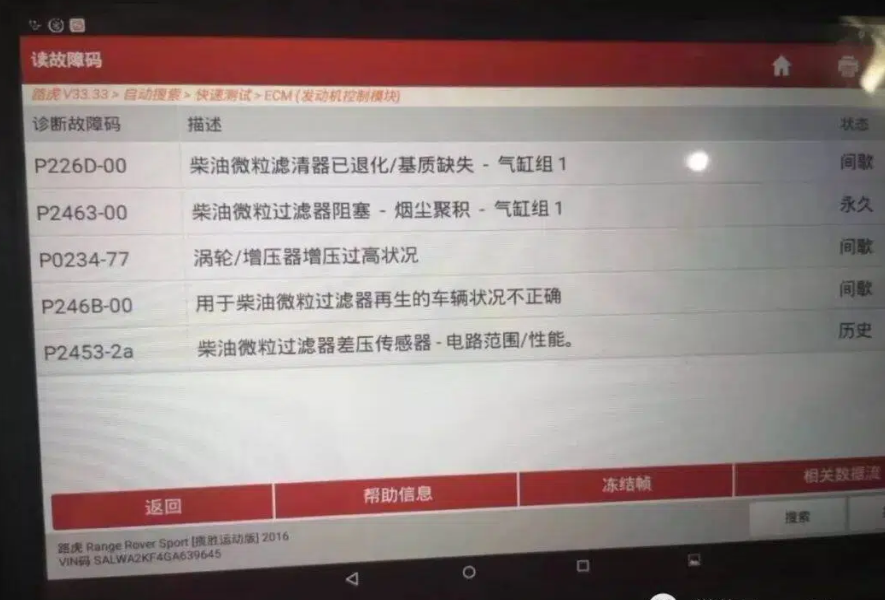
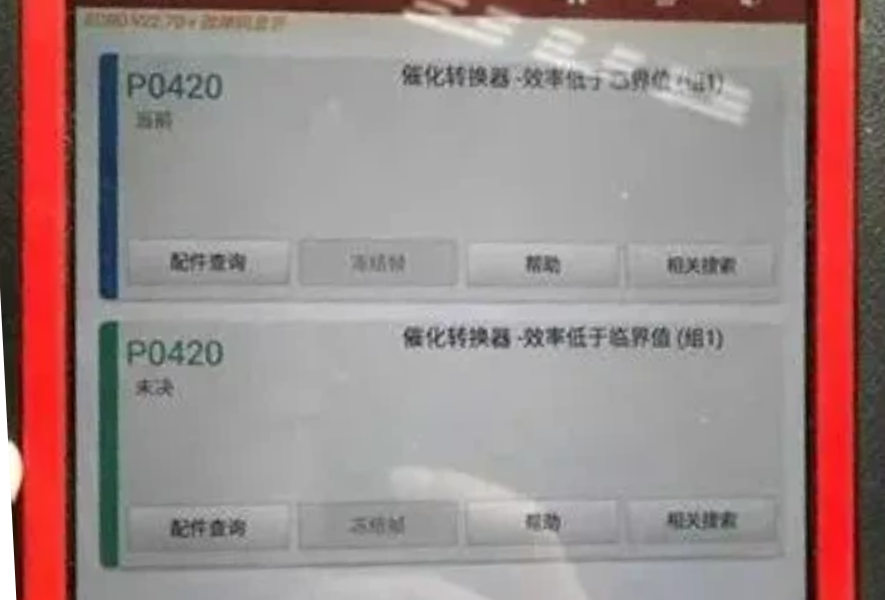
The nitrogen-oxygen sensor reports a fault code
The nitrogen oxide sensor of the exhaust system of the Porsche Cayenne diesel version reports a fault code
- Sensor body issue:
Probe contamination: Carbon deposits, sulfides, or fuel additive residues covering the detection element.
Aging failure: High temperature environment leads to damage of electrodes or ceramic components (with a lifespan of typically 80,000 to 150,000 kilometers).
Thermal shock damage: The drastic change in exhaust temperature during cold start causes the sensor to crack.
- Circuit and connection faults:
Loose plugs, worn harnesses, short circuits, or open circuits (commonly found in areas with chassis vibration).
The sensor is experiencing abnormal power supply (the standard voltage is typically 12V).
- SCR system-related faults
Poor quality of urea (impurities blocking the nozzle or crystallization contaminating the sensor).
Urea pump failure, low urea level, or damaged injection control valve.
- Environmental factors:
Long-term low-speed short-distance driving causes the sensor to fail to reach its operating temperature (which needs to be above 300°C).
Wading or exposure to wet environments leads to corrosion of the sensor circuit.
- Software or calibration issues:
The ECU software has not been updated and is incompatible with the sensor signal.
The sensor calibration data is lost (not re-matched after power failure).
- Fault diagnosis and verification:
Use a diagnostic tool (such as ODIS, X-431) to read the fault code (common code: P2200-P229F series).
Check the NOx sensor data flow:
Normal value: NOx concentration at idle<100ppm (diesel vehicles); Fixed values or jumps may be displayed during exceptions.
Compare the oxygen sensor data before and after to determine if there is a logical conflict.
- Inspection of wiring and plugs:
Measure the sensor supply voltage (12V) and signal line impedance (no short circuit/open circuit).
Clean the oxide on the plug and apply conductive grease to prevent corrosion.
- Sensor cleaning and replacement:
Mild pollution: Remove the sensor and use a specialized cleaning agent (such as Liqui Moly Pro line) to remove carbon deposits.
Severe damage: Replace the original factory or sensor with the same specifications
Torque should be in accordance with the manual requirements (usually 20-40N · m) to avoid over tightening and damaging the threads.
ECU matching needs to be performed after replacement
- SCR system maintenance:
Check the urea level and quality, clean the urea nozzle and pipeline crystallization.
Test the pressure of the urea pump (normal value: 5-9 bar).
- Software upgrade and calibration
Refresh ECU software through professional equipment and fix signal logic errors.
Perform sensor zero calibration (to be completed in a cold vehicle state).
- Road test and verification:
After clearing the fault code, drive at high speed (≥ 60km/h) for 20 minutes to ensure that the sensor reaches operating temperature.
Retest the exhaust NOx value (diesel vehicles should be less than 0.4g/kWh, Euro 6 standard).
Conclusion:
After the end customer replaced the nitrogen-oxygen sensor, the vehicle returned to normal
Exhaust temperature sensor fault
Vehicle reports fault code: P0548
Exhaust Gas Temperature Sensor Circuit Low (Bank 2, Sensor 1)
1: Faulty exhaust temperature sensor (the most common)
2: Damage or corrosion of wiring or connectors
3: Ground short circuit in the wiring harness
4: PCM fault
1: Scan all fault codes and record them. Clear the fault code and conduct a road test to see if P0548 appears again.
2: Visually inspect the wiring and connectors between the exhaust temperature sensor and PCM, looking for damaged, burnt, corroded, or loose wires.
3: When the ignition switch is turned on, the reference voltage for testing the exhaust temperature sensor should be around 5 volts. If the reading is incorrect, suspect a problem with the PCM or wiring.
4: Perform resistance testing on the exhaust temperature sensor. Compare the readings with the manufacturer’s specifications, with a typical range of 185 ohms at 260 ° C (500 ° F) and 30 ohms at 1000 ° C (1832 ° F). If the measured value exceeds the range, please replace the sensor.
5: If no problem is found, suspect PCM malfunction, although this is rare.
6: Replace exhaust temperature sensor, repair damaged wiring or connectors, reprogram or replace PCM
Conclusion:
After the end customer replaced the exhaust temperature sensor, the vehicle returned to normal