Introduction
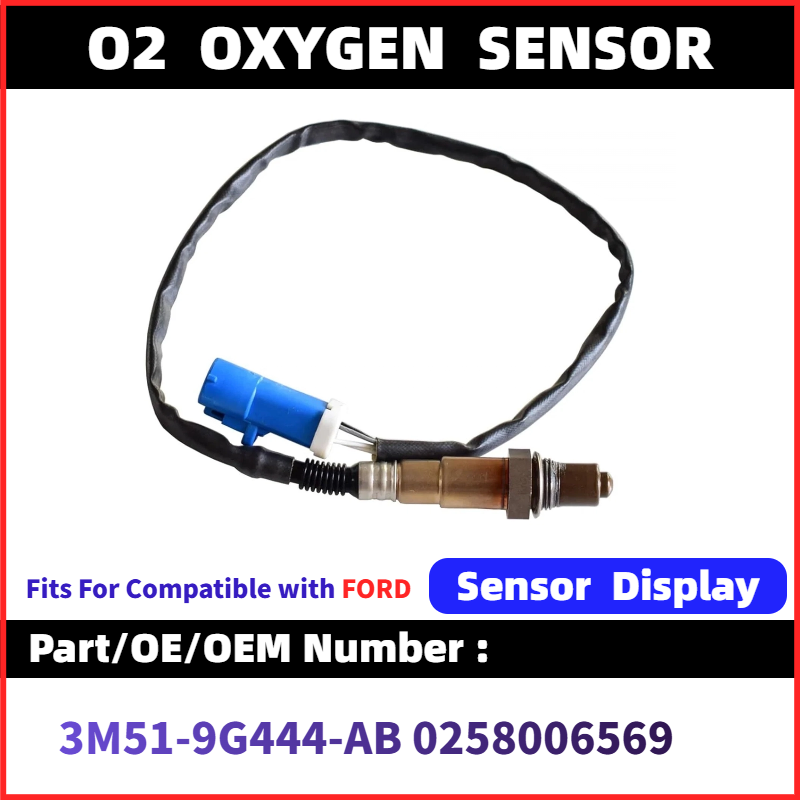
If your vehicle’s check‑engine light pops up, fuel mileage drops suddenly, or the engine runs rough, a faulty oxygen sensor could be the root cause. Also known as an O2 sensor, this small but critical component sits inside your vehicle’s exhaust system. It monitors exhaust gas oxygen levels and sends real‑time data to the engine control unit (ECU). Without a working oxygen sensor, your engine cannot maintain the correct air‑fuel mixture, which hurts performance, wastes fuel, and triggers emissions‑related trouble codes.
Many drivers overlook oxygen sensor maintenance until serious problems appear. This guide covers how oxygen sensors work, typical warning signs of failure, root causes, DIY replacement tips, and answers to frequently asked questions for US vehicle owners.
How Does an Oxygen Sensor Work?
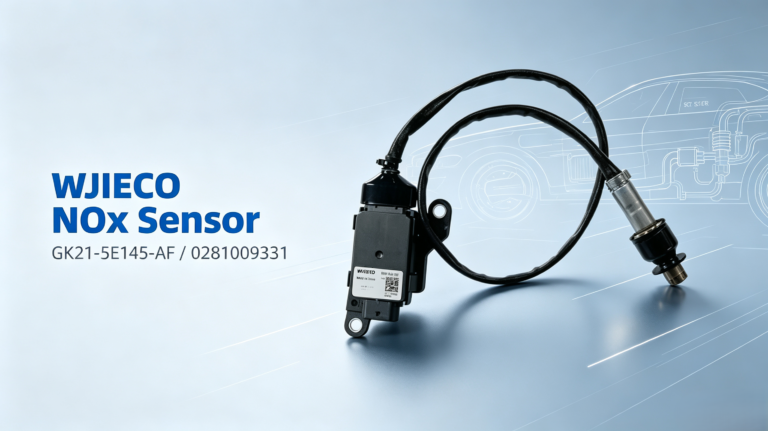
The oxygen sensor is mounted on the exhaust manifold or exhaust pipe. It measures how much unburned oxygen exists in exhaust fumes after combustion.
- It generates a voltage signal based on oxygen differences between exhaust gas and outside ambient air.
- The ECU reads this signal to adjust the amount of fuel injected into engine cylinders.
- When oxygen content is high, the engine runs lean; low oxygen means a rich fuel condition.
- Modern vehicles use upstream (before catalytic converter) and downstream (after catalytic converter) O2 sensors. Upstream sensors mainly tune air‑fuel ratio, while downstream sensors monitor catalytic converter efficiency.
A properly functioning O2 sensor keeps emissions low, optimizes gas mileage, and extends engine service life.
Common Symptoms of a Bad Oxygen Sensor
Watch for these typical warning signs that your oxygen sensor needs inspection or replacement:
- Illuminated check‑engine light This is the most obvious sign. Trouble codes such as P0131, P0133, P0135 frequently point to O2 sensor circuit or response issues.
- Poor fuel economy A failed sensor sends incorrect readings to the ECU. The system may inject excess fuel, making you visit the gas station far more often.
- Rough idling, misfires or stalling Wrong air‑fuel ratios lead to unstable idle, random engine misfires, and occasional stalling during acceleration.
- Strong rotten‑egg exhaust smell Rich fuel mixtures create excess unburned fuel, producing a sulfur‑like odor from the tailpipe.
- Failed state emissions test Malfunctioning oxygen sensors directly cause higher tailpipe pollutants, which will make you fail US state smog checks.
Note: These symptoms can also come from spark plugs, fuel injectors or catalytic converter damage. Always run OBD‑II scanner diagnostics before purchasing new replacement parts.
What Causes Oxygen Sensor Failure?
O2 sensors endure harsh high‑temperature exhaust environments, so they wear out over time. Main failure triggers include:
- Normal aging: Most factory O2 sensors last between 60,000 and 100,000 miles.
- Contamination: Oil ash, coolant residue, lead, phosphorus deposits coat the sensor tip and block sensing capability.
- Thermal shock: Rapid temperature swings from water hitting hot exhaust components crack internal sensor elements.
- Wiring damage: Road debris, heat abrasion corrode wiring harnesses and connectors.
- Physical impact: Road strikes damage the sensor body during off‑road driving.
DIY Oxygen Sensor Replacement Tips for US Car & Truck Owners
You can replace an oxygen sensor yourself with basic hand tools to save expensive repair‑shop labor costs. Follow these practical tips:
- Identify the correct part number Confirm upstream vs downstream position, OEM reference numbers, and exact vehicle year, make, model, and engine size. Double‑check connector pin configuration before ordering.
- Safety first Never work on a hot exhaust system. Let the engine cool completely to avoid severe burns. Use jack stands when lifting your vehicle.
- Use an O2 sensor socket A special slotted oxygen‑sensor socket fits over the wiring harness. Regular sockets will damage sensor wires. Apply anti‑seize compound on new‑sensor threads (avoid getting anti‑seize onto the sensing tip).
- Torque to factory specification Do not over‑tighten. Over‑torque can strip exhaust threads and lead to costly exhaust‑pipe repairs.
- Clear error codes after installation After fitting the new sensor, use an OBD‑II scanner to clear stored trouble codes. Take the vehicle for a test drive so the ECU completes its relearning cycle.
Pro tip: If multiple O2 sensors show fault codes, replace them one by one. Do not swap all sensors blindly without diagnostic confirmation.
Frequently Asked Questions
Q: Can I drive with a bad oxygen sensor?
A: You can drive short‑term, but it is not recommended. You will get worse fuel mileage, risk catalytic‑converter damage, and cannot pass emissions inspections. Long‑term driving may create more expensive secondary failures.
Q: How much does a replacement oxygen sensor cost?
A: Aftermarket replacement sensors vary in price. Labor charges at repair shops add significant extra cost, which is why many US DIY enthusiasts prefer installing parts at home.
Q: Do aftermarket O2 sensors work as well as OEM units?
A: High‑quality aftermarket oxygen sensors deliver reliable performance matching OEM specifications. Always verify OEM cross‑reference part numbers to ensure proper fitment for your vehicle.
Q: Should I replace upstream and downstream sensors at the same time?
A: Only replace sensors triggered by diagnostic trouble codes. If only one sensor reports faults, swapping just that unit is sufficient in most scenarios.
Final Thoughts
The oxygen sensor is a small‑size yet high‑impact exhaust component for gasoline‑powered cars and trucks. Rely on OBD‑II scan tools to confirm faults instead of guessing parts replacement. Using correctly cross‑referenced replacement sensors keeps your engine running efficiently, reduces exhaust pollutants, and helps you pass state smog testing.